Monday, September 24, 2018

The Tankless Specialists In North Texas Water Heater Installation

Water heater broke?  Did it leak all over the place?  

Maybe you are just tired of running out of hot water.  Well, we have the solution for Keller, Southlake Texas and surrounding areas, a tankless water heater installed by Dallas Fort Worth Plumbing.
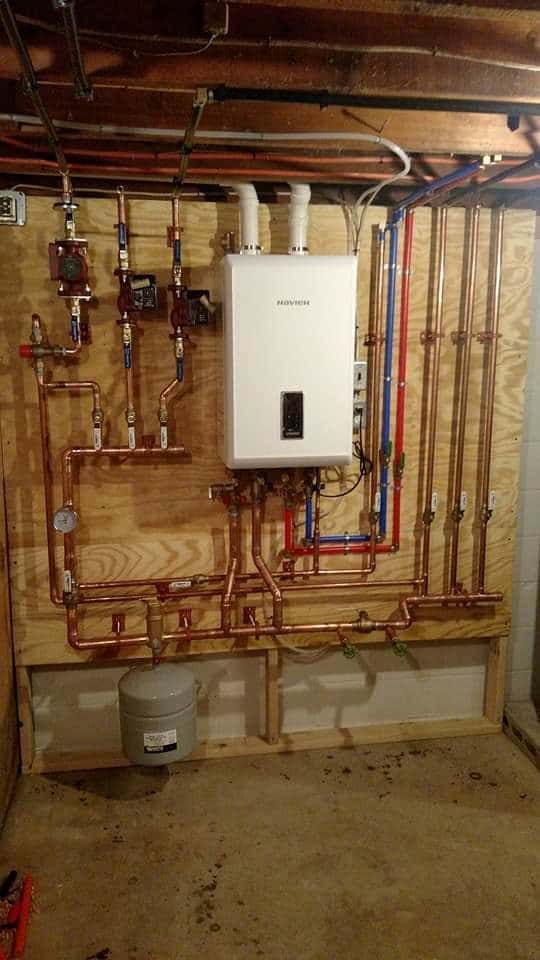
Regular water heaters store a lot of water inside a tank and keep it heated all the time. This consumes energy because the water has to be constantly heated every time it cools a little bit. When you have a tankless water heater no water is heated until you actually use it.  The heating takes place on demand.  So as the water passes through the heater it is quickly heated and quickly passes out of the water heater and to your faucet, shower, dishwasher or washing machine.  Because the tankless water heater only uses to heat the water energy when you actually need it a lot less energy is used to heat the water for your home.  The savings on your energy bill can be very significant.  Also you will not run out of hot water because there is no tank to empty.  

The more water you need the more water is heated on demand as you need it.  


For example it is quite common that the kids believe the shower running and use of hot water.  That leaves parents with nothing but a cold shower unless they want to wait for that tank to heat up all the water again.  With a tankless water heater that concern is a thing of the past because you will never run out of hot water again.  In addition standard water heaters have a large tank in that large tank takes up a significant amount of space often the size of a closet.  If your water heater is inside your home as opposed to being in the attic chances are it’s in a closet.  And if you replace that water heater with a tankless you’re going to get more storage space!

Dallas Fort Worth Plumbing
1540 Edinburgh Ln, Keller, TX 76248
(817) 371-0709
https://dallasfortworthplumbing.com
https://dallasfortworthplumbing.blogspot.com

From https://dallasfortworthplumbing.blogspot.com/2018/09/the-tankless-specialists-in-north-texas.html


from
https://dallasfortworthplumbing.wordpress.com/2018/09/25/the-tankless-specialists-in-north-texas-water-heater-installation/

from https://hotwaterheaterplumbers1.blogspot.com/2018/09/the-tankless-specialists-in-north-texas.html

from
https://hotwtheaterplbm.tumblr.com/post/178433033669

Sunday, September 23, 2018

Water Heater Maintenance Facts

INSTALLATION AND MAINTENANCE

Proper installation and maintenance of your demand water heater can optimize its energy efficiency.
Proper installation depends on many factors. These factors include fuel type, climate, local building code requirements, and safety issues, especially concerning the combustion of gas-fired water heaters. Therefore, it’s best to have a qualified plumbing and heating contractor install your demand water heater. Do the following when selecting a contractor:
    If you’re determined to install your water heater yourself, first consult the manufacturer. Manufacturers usually have the necessary installation and instruction manuals. Also, contact your city or town for information about obtaining a permit, if necessary, and about local water heater installation codes.
    Periodic water heater maintenance can significantly extend your water heater’s life and minimize loss of efficiency. Read your owner’s manual for specific maintenance recommendations.

    A tankless water heaters uses 30 to 50 percent less energy than units with tanks, saving a typical family about $100 or more per year, depending on water usage. Tankless units (also called “on demand” units or an instant hot water heater) heat water only when you turn on the faucet. They usually operate on natural gas or propane. The main advantage is that they eliminate the extra cost of keeping 40 to 50 gallons of water hot in a storage tank, so you waste less energy. They also offer a continuous supply of hot water, which is ideal for filling a big hot tub or a whirlpool. They’re more compact than a standard water heater and mount on a wall.


    from https://hotwaterheaterplumbers1.blogspot.com/2018/09/water-heater-maintenance-facts.html

    from
    https://hotwtheaterplbm.tumblr.com/post/178405691979

    shopping for a hot water heater is about energy efficiency

    Tankless water heaters, also known as demand-type or instantaneous water heaters, provide hot water only as it is needed. They don't produce the standby energy losses associated with storage water heaters, which can save you money. Here you'll find basic information about how they work, whether a tankless water heater might be right for your home, and what criteria to use when selecting the right model.

    Energy Efficiency 
    One of the first things to consider when shopping for a hot water heater is energy efficiency. The bottom line is: if it saves you energy, it saves you money. According to the Department of Energy, heating water accounts for about 18 percent of our home energy use. A more energy efficient unit may cost you more at purchase, but will save you more money in the long run. It may also qualify you for a rebate. 
      
    Tank Water Heaters vs. Tankless Water Heaters 
    Water heaters with a tank are the most popular. Storage tank water heaters require little maintenance and are less expensive than tankless water heaters. On the downside, they use more energy. If you don’t use that stored hot water, it cools down and has to continually be reheated.

    Tankless water heaters heat water directly without the use of a storage tank. When a hot water tap is turned on, cold water travels through a pipe into the unit. Either a gas burner or an electric element heats the water. As a result, tankless water heaters deliver a constant supply of hot water. You don't need to wait for a storage tank to fill up with enough hot water. However, a tankless water heater's output limits the flow rate.
    Typically, tankless water heaters provide hot water at a rate of 2–5 gallons (7.6–15.2 liters) per minute. Gas-fired tankless water heaters produce higher flow rates than electric ones. Sometimes, however, even the largest, gas-fired model cannot supply enough hot water for simultaneous, multiple uses in large households. For example, taking a shower and running the dishwasher at the same time can stretch a tankless water heater to its limit. To overcome this problem, you can install two or more tankless water heaters, connected in parallel for simultaneous demands of hot water. You can also install separate tankless water heaters for appliances -- such as a clothes washer or dishwater -- that use a lot of hot water in your home.


    Other applications for demand water heaters include the following: